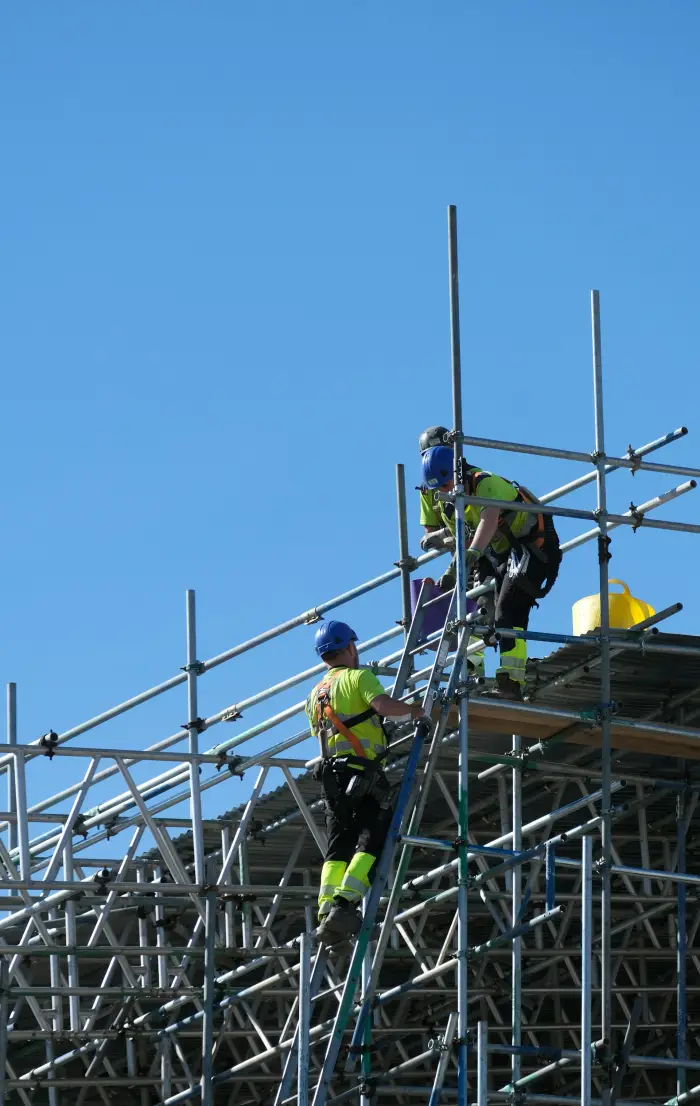
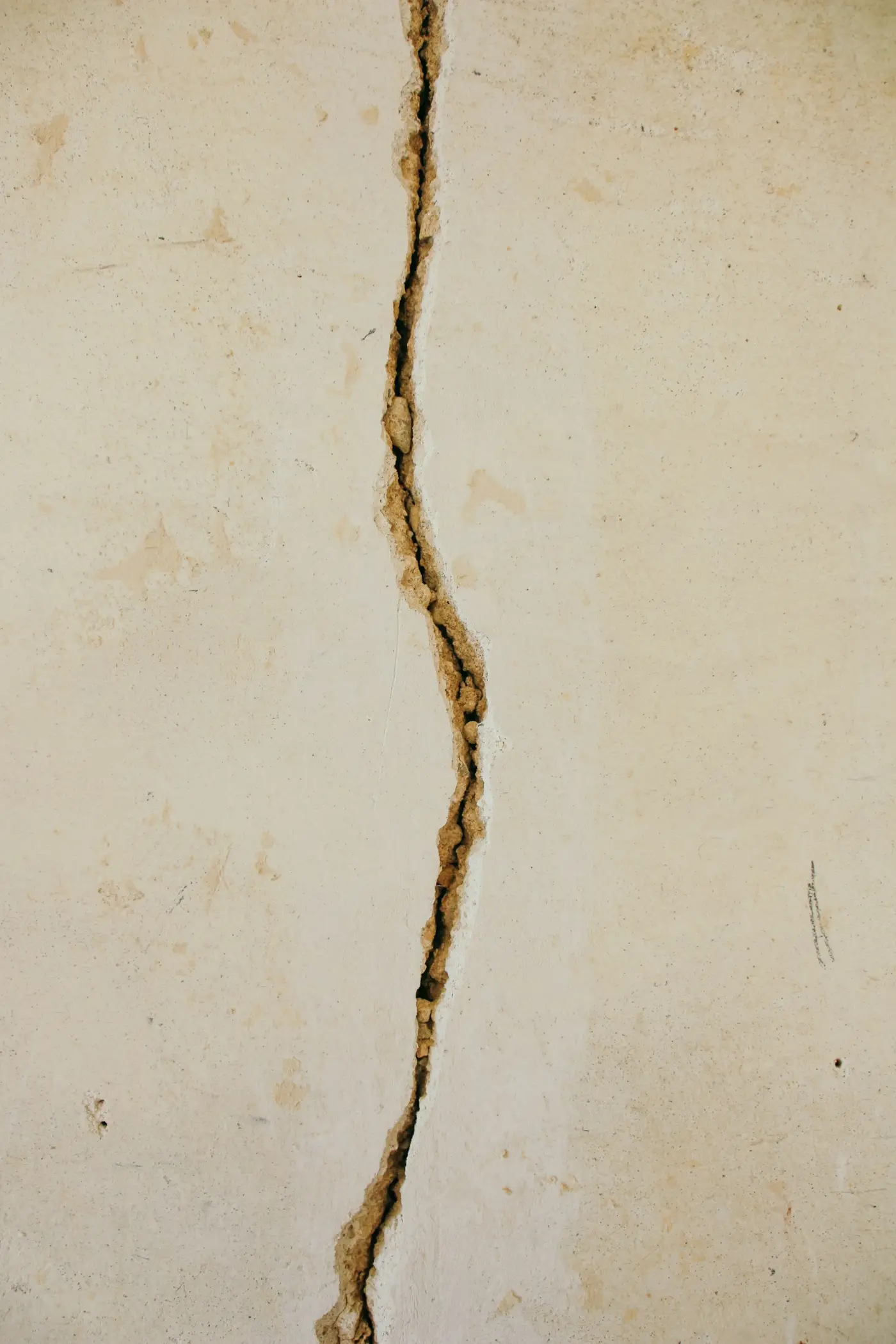
 Crack
Defect detection
Cracks, corrosion and damage found and traced, then raised on the job before the next inspection round.

Sight is visual AI for real work: it checks the work from a photo and answers pass, fail or needs a person, with the reason. Trained on your own photos, run for you by our engineers.
Or try it on a photo now. No sign-up.
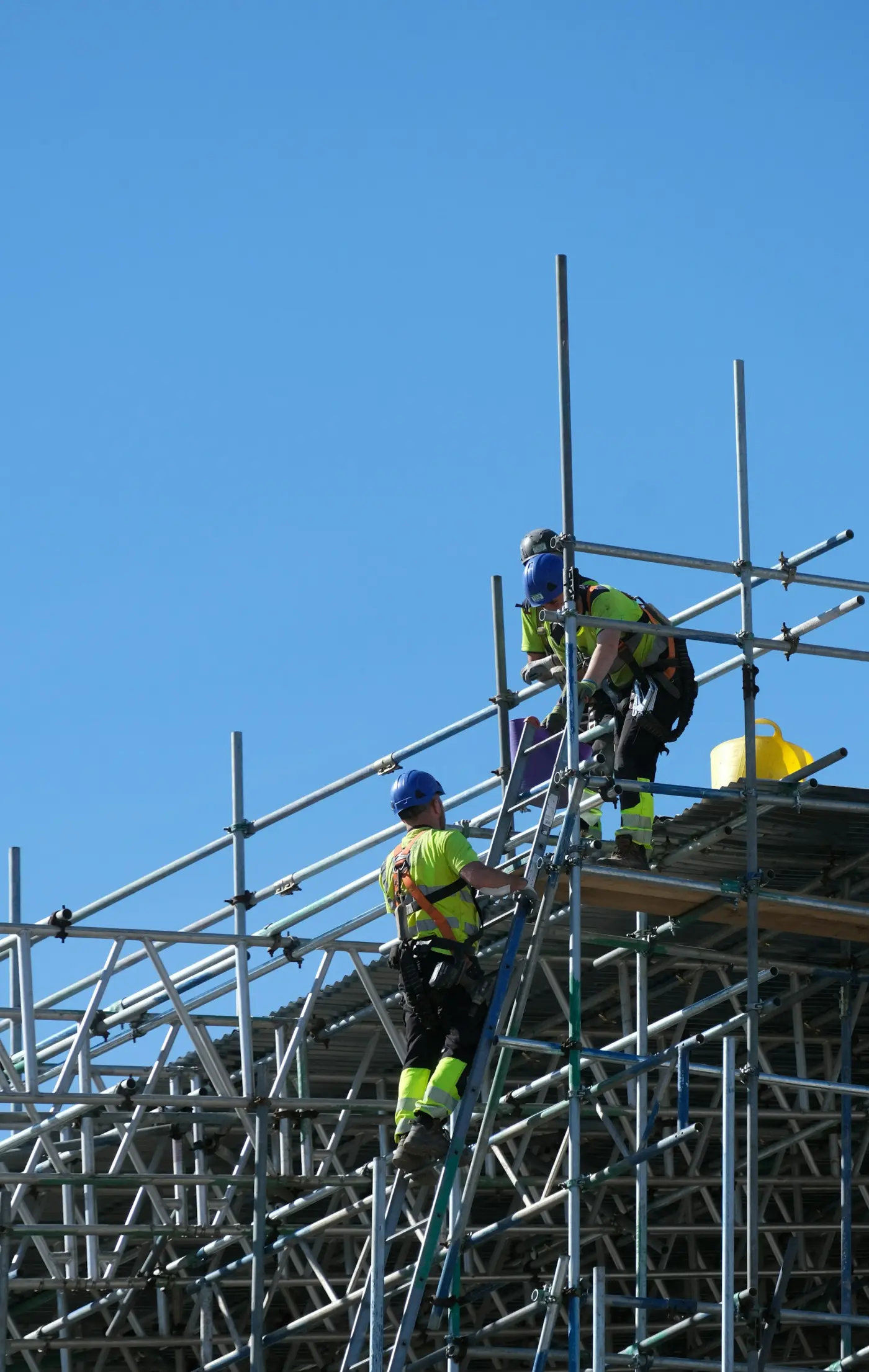 Hi-vis Hi-vis Hard hat Hard hat
Stock site photos. The boxes are real labels drawn in Sight; the checks shown are examples.
Your crew takes the photo, Sight checks it, and anything missing is fixed while they are still there. Your reviewers see only the doubtful ones.
In the office
Waiting for the next photo
If a person can tell from a photo, Sight can be trained to tell too. These are the checks field teams ask for first.
CrackCracks, corrosion and damage found and traced, then raised on the job before the next inspection round.
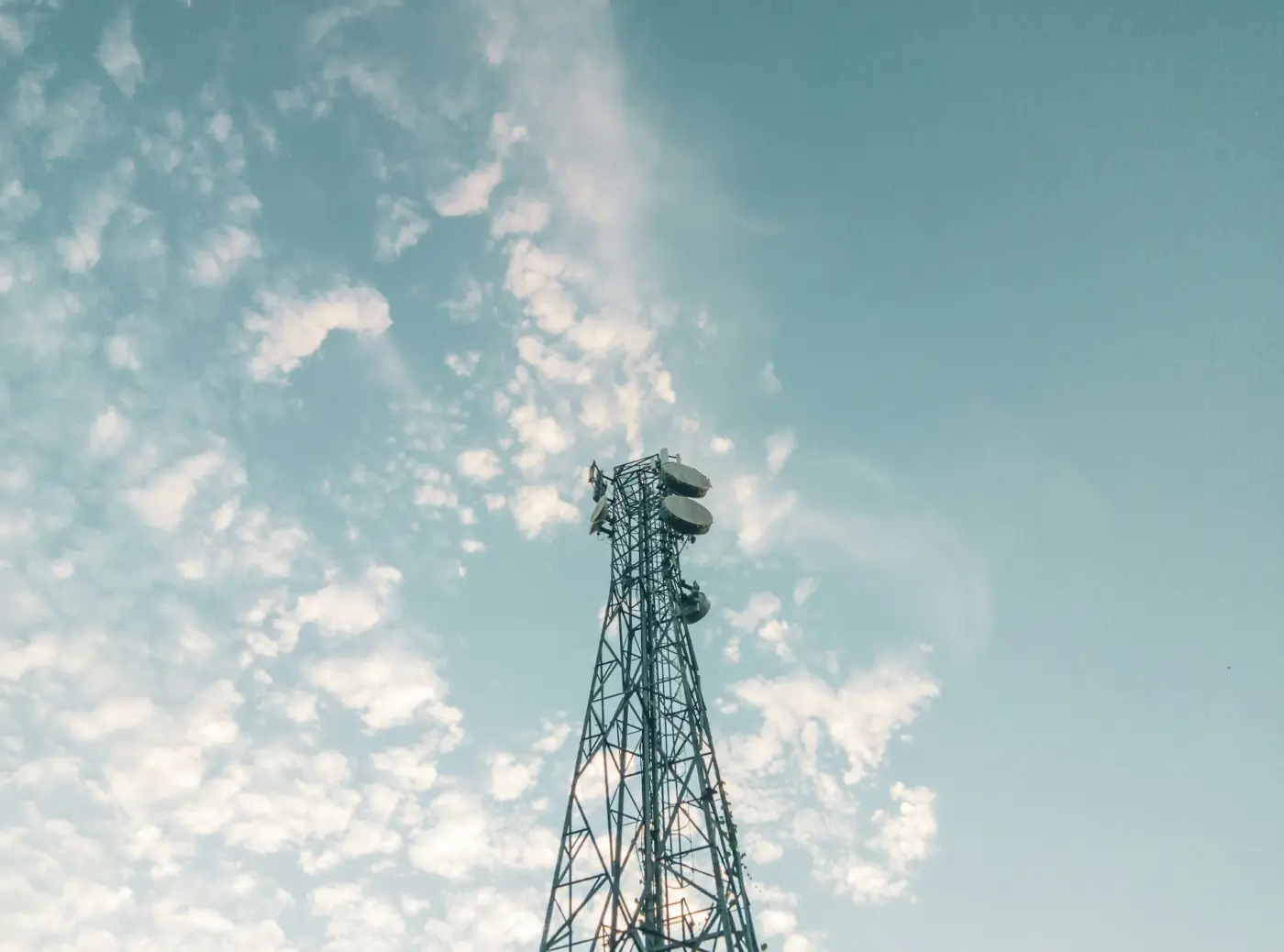 Antenna Antenna
Every install photo checked for what the job requires. In use today on install photos for a national telecommunications contractor.
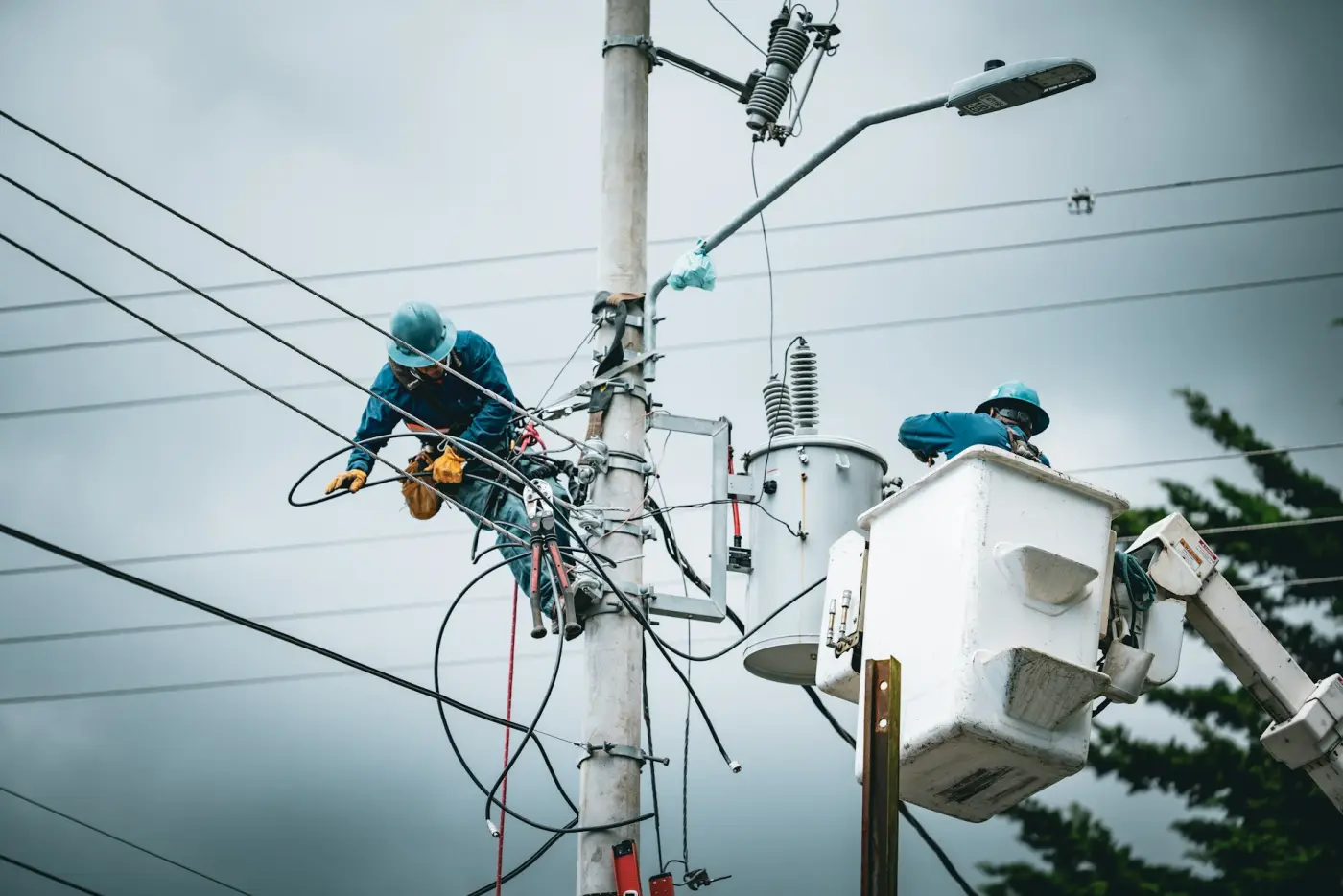 Hard hat
s and hi-vis checked on every worker in every site photo, on the day.
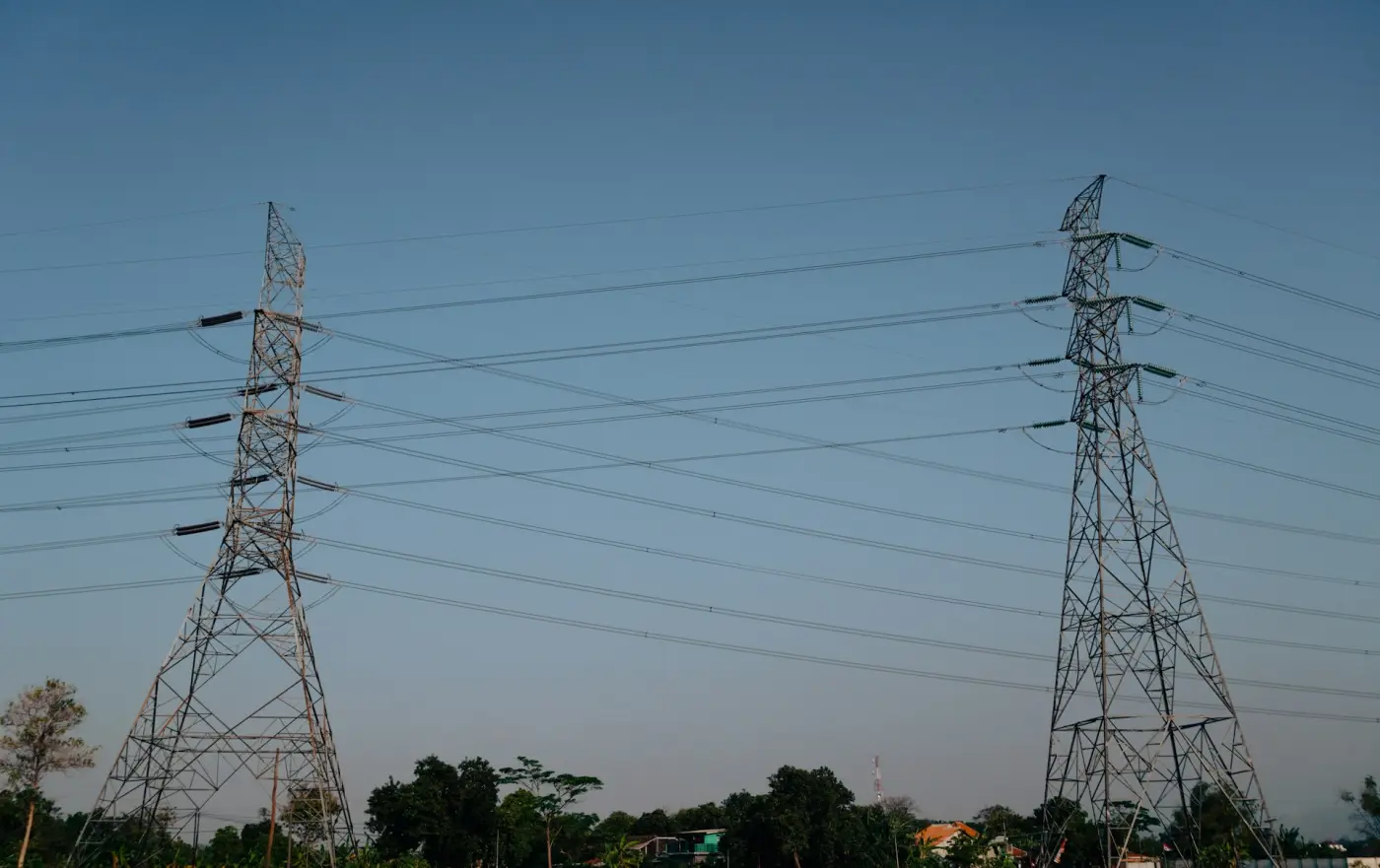 Insulator
s, antennas and poles located in each photo, ready for a condition check, even when they are small and far away.
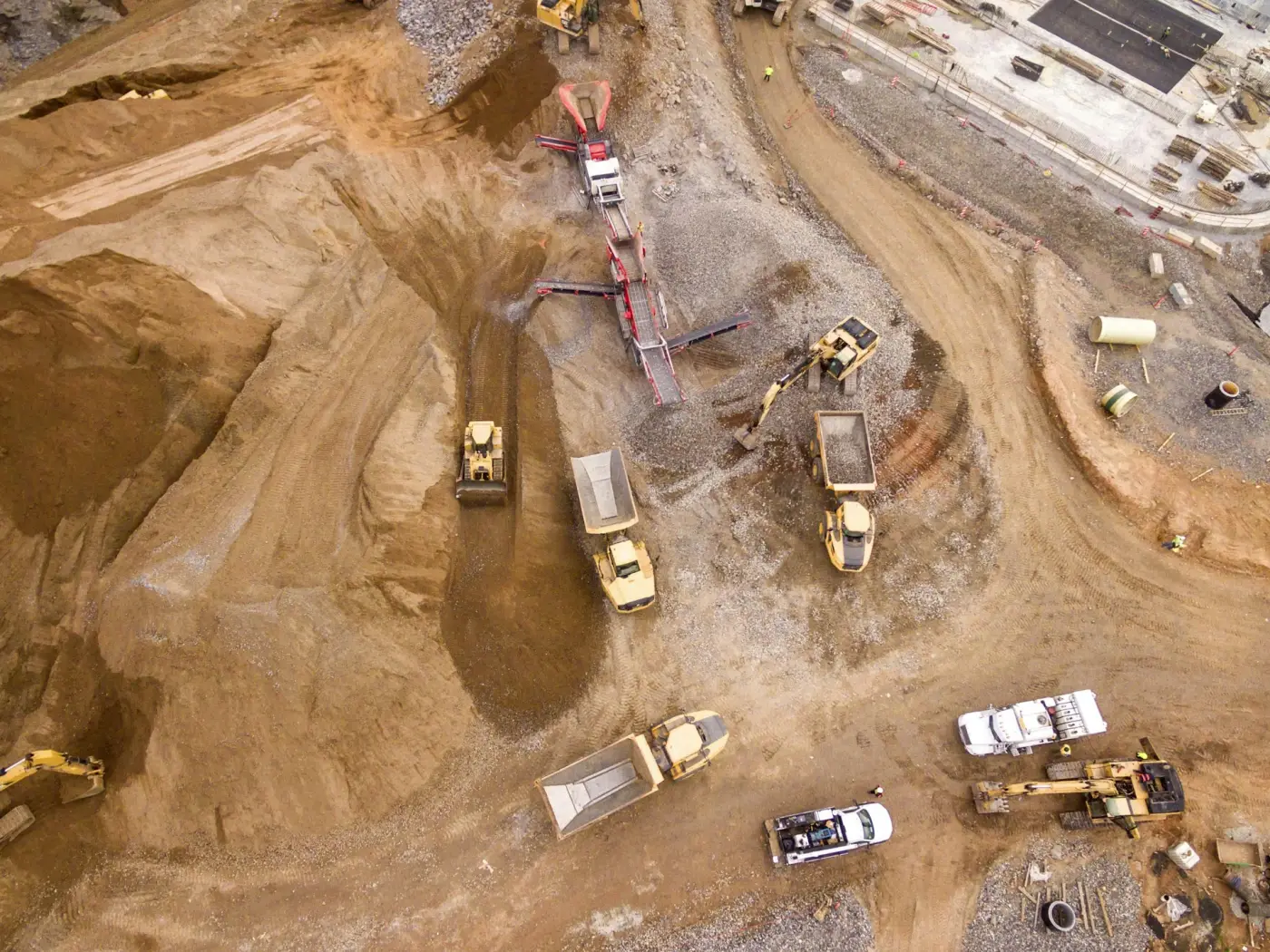 Vehicle Vehicle
Plant, vehicles and people picked out of drone and site photos, so you know what is on site without walking it.
See what Sight checks in your industry, or bring a hard photo problem and get a straight answer on what is possible.
An open-source model gives you boxes on a photo. Before it has checked one job, you have hired a scarce engineer, bought tools and rented GPUs. Almost all of the cost is people.
Not counted: a recruiter’s fee, payroll tax, storage, connecting it to your app, and your managers’ time. One engineer hired on day one is assumed; labelling volume and GPU hours are estimates.
With Sight
4 in 33. The share of AI proofs of concept that reach production. IDC with Lenovo, 2025
About 67%. How often buying from a specialist succeeds; building in-house succeeds one-third as often. MIT NANDA, 2025
Both figures are about AI projects in general, not computer vision alone.
There are good tools for labelling photos and training models. Each one leaves the rest of the job to you.
| Label Studio | Roboflow | An open-source model, in-house | Sight | |
|---|---|---|---|---|
| What you get | A tool for drawing labels | A toolkit: label, train, host, build workflows | A model that returns boxes | An answer for every job: pass, fail or needs a person, with the reason |
| Who labels your photos | You | You | You | Our engineers, with your team confirming what is right |
| Who trains and tunes the model | Not part of the tool | You, self-serve | You | Our engineers, scored on photos the model never saw |
| Who writes the pass and fail rules | Not part of the tool | You, in a workflow editor | You, in code | We write each check with you; you approve it |
| Who connects it to your field app | You | You, with their API | You | Our engineers, or your developers with our SDK |
| Who keeps it right as the work changes | You | You | You | We do, from your reviewers’ corrections |
Label Studio and Roboflow are good tools for teams that have machine learning engineers to run them. Sight is for companies that do not. Compared from each product’s public documentation, October 2026.
We call it forward deployment: computer vision engineers who have run field software on national projects, working alongside your team until Sight runs, and after.
How forward deployment works →We label your photos, with your people confirming what counts as right.
We train and tune a model on them, and score it on photos it has never seen.
We write each check with you: what must be in the photo, and what passes.
We connect Sight to the app your crews already use and the systems behind it.
We keep running it, and retrain it as your reviewers correct it.
Add photo checks to your own app, under your own name. The queue, the checking and the results live in Sight; your side is a few calls with an open SDK.
import { ChecksClient } from "@raku-technologies/sight";

const checks = new ChecksClient({ baseUrl, apiKey });

// A technician uploads a photo: hand it over.
await checks.addPhoto({
  jobId: workOrder.id,
  template: "site-safety",
  slot: "Scaffold",
  imageUrl,
});

// Read the verdict whenever you want it.
const job = await checks.getJob(workOrder.id);
job.verdict; // "pass" | "fail" | "needs_review"A model trained on your photos finds what is there. Your rules turn that into one answer: pass, fail or needs a person. Sight is not tied to one kind of model; it uses whichever does each check best.
YOLO models trained on your own photos find each part, count it and say where it is.
A large language model reads what detection cannot: labels, serial numbers, readings. It is shown one tight crop and asked one question with a fixed set of answers.
Plug in your own language model, a small open model, or one hosted where you need it. Sight runs the rules and records who read what.
A phone’s own text recognition read serial numbers in 0.2 seconds with one error in 44, offline. Send what the phone read and Sight uses it instead of reading the photo, marking the verdict as the device’s word.
Small models that answer a question with a real probability in tens of milliseconds, for the checks that are truly fuzzy.
Checking real-world work from a photo is not a solved problem. This is what our lab is measuring and building next, each item marked with how far along it is.
The engine that judges a job already makes no network call. Next it moves to Rust, so one engine gives identical answers on our servers, in a browser and on a phone in a basement with no signal.
On 44 real install photos, a phone’s own text recognition read serial numbers in 0.2 seconds with one error, and stayed silent on every unreadable label; a large hosted language model took 2.7 seconds and invented three. Send what the phone read and Sight uses it instead of reading the photo, and marks the verdict as the device’s word.
Checks that need only the rules or the model answer in well under a second. The few that need a reading say “pending” and follow a few seconds later, so the crew is not kept waiting for the slowest.
Small reading and decision models for the questions asked most often, run on our machines or on the device, so the common readings never need a large hosted model.
Plug in your own language model, a small open model, or a model running on the device. Sight runs the rules and records who read what, so every verdict can still be audited.
You choose how often an automatic pass may be wrong, say 1 in 100. Sight is tuned on your audited jobs until it meets that, and everything else goes to a person.
Describe the rule in your own words. Sight turns it into a check, shows it back, and trials it on your past jobs before it is allowed to decide anything.
Photos read in place from your own Amazon S3, Azure or Google Cloud storage, with processing in your region or inside your own cloud account.
Checks set up and questioned from Claude or ChatGPT, and Sight bought through your cloud marketplace on the contract you already have.
We score every model on photos held back from training, and we publish what we find, including what did not work.
Read the research →Bring a handful of the photos your crews take today. You will talk to an engineer who builds these models, not a sales queue, and leave knowing what Sight can find in them.
Hi-vis Hard hat Not ready to talk? Save our card and come back when you are.