Photo checks for work your crews already do.
Your crews photograph every job. Sight checks each photo against what the job requires and tells you which jobs are right, which are not, and which need a person to look.
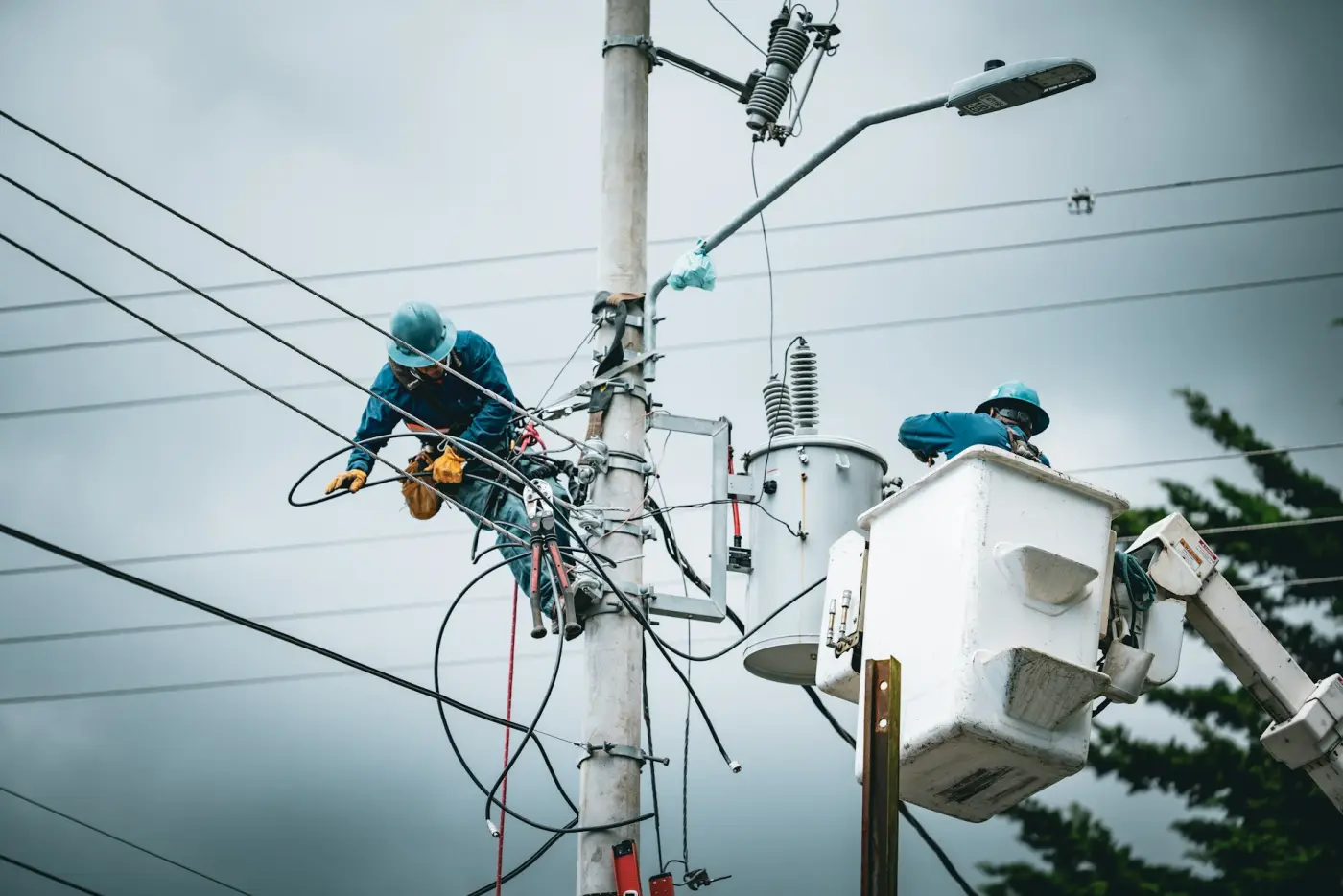 Hard hat Hard hat
- Check
- Hard hat on every worker
- Why
- 2 workers, 2 hard hats found
The work it takes off your team.
Checking photos by eye
Someone in the office opens every job, looks at every photo and decides whether the work is right. Sight does the looking, and passes the clear ones without anyone opening them.
Typing what is in the photo
Serial numbers, labels, meter readings and counts get read off photos and keyed into a form by hand. Sight reads them, so nobody re-keys them.
The second visit
A missing or unusable photo is usually found days later, and someone drives back. Sight says what is missing while the crew is still there.
Every job gets an answer, with its reason.
Each check you set for a job gets one of five outcomes. Nothing is a bare score: every answer carries the photo it came from and what Sight saw.
- Pass
The check is met. The photo and the reason are kept, so the job carries its own proof.
- Fail
The check is not met, and Sight says why: what it found, or what is not there.
- Needs a person
Sight is not sure. A reviewer gets the photo and the reason, and decides in seconds.
- Cannot tell
The photo is too far, too dark or cut off. Sight asks for a better one instead of guessing.
- Missing
A photo the job requires has not arrived by the time the job is closed.
One loop, on every job.
Checking is live today. The on-site hint, the review list and automatic retraining are rolling out, and are marked that way below.
In the office
Waiting for the next photo
Three ways your photos arrive.
From the app your crews use
Your field software hands each photo to Sight as it is taken. If you build your own app, our SDK does it in a few calls; if you buy one, we work with your vendor.
For software teamsUpload in bulk
Drone surveys, aerial photos and the archive of past jobs, uploaded as folders. Useful for a first look at what Sight finds in work already done.
Through the API
From your own systems, one photo at a time or as a stream, with results back as each photo is checked.
What Sight will not pretend to do.
A checker you cannot trust is worse than none. These are the rules it runs by.
It does not guess
When something is too small or unclear to judge, Sight says so and asks for a closer photo. On our own tests, readings were right on every device at least 150 pixels wide, so below that it does not read at all.
It does not replace your inspector on a doubtful job
Anything Sight is unsure of goes to a person, with the photo and the reason. Reviewers spend their time on the jobs that need judgment.
It is not trusted before it is measured
Each model is scored on photos held back from training before it is switched on, and every earlier version is kept, so going back takes a moment.
You do not need a machine learning team.
Our engineers label your photos, train and tune the model, write the checks with you and connect it to your systems. There is no infrastructure to buy and nobody to hire.
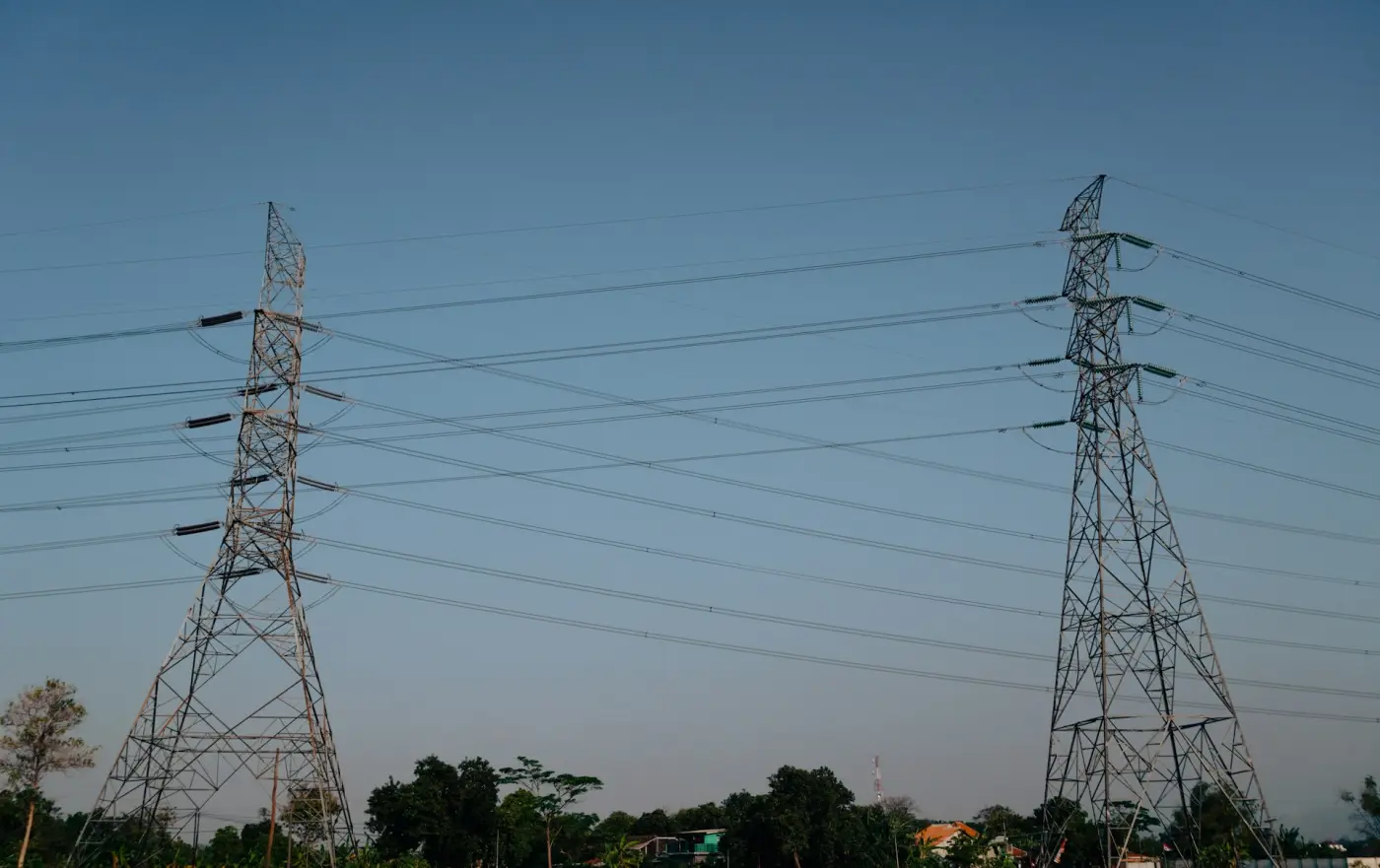 Insulator
Tools give you parts. Sight gives you the answer.
Labelling tools and model platforms each leave the rest of the job to you.
| Label Studio | Roboflow | An open-source model, in-house | Sight | |
|---|---|---|---|---|
| What you get | A tool for drawing labels | A toolkit: label, train, host, build workflows | A model that returns boxes | An answer for every job: pass, fail or needs a person, with the reason |
| Who labels your photos | You | You | You | Our engineers, with your team confirming what is right |
| Who trains and tunes the model | Not part of the tool | You, self-serve | You | Our engineers, scored on photos the model never saw |
| Who writes the pass and fail rules | Not part of the tool | You, in a workflow editor | You, in code | We write each check with you; you approve it |
| Who connects it to your field app | You | You, with their API | You | Our engineers, or your developers with our SDK |
| Who keeps it right as the work changes | You | You | You | We do, from your reviewers’ corrections |
Label Studio and Roboflow are good tools for teams that have machine learning engineers to run them. Sight is for companies that do not. Compared from each product’s public documentation, October 2026.
What your operation gets next.
Sight is live and checking jobs today. This is what is on its way, each item marked with how far along it is.
- Rolling out
Coaching on site
The crew sees what is still missing, in their app, while they are standing in front of the work. New starters learn what a good photo looks like on their first job.
- Rolling out
A review list of exceptions
Reviewers see only the doubtful jobs and a sample of the passes. Every correction they make teaches the next version of your model.
- Rolling out
A proven error rate
You choose how often an automatic pass may be wrong. Sight is tuned on your audited jobs until it meets that number.
- Rolling out
A rehearsal before anything changes
A new check or model runs quietly beside the live one, on your past and current jobs, before it is allowed to decide.
- Rolling out
Reused and misplaced photos flagged
The same photo on two jobs, or a photo taken far from the site or at the wrong time, is caught before the job is paid.
- Rolling out
Photos from where you already keep them
Your own cloud storage, SharePoint, OneDrive or Google Drive, read in place with no upload step.
- Rolling out
Checks in your own words
Write the rule the way you would brief a new inspector. Sight turns it into a check and trials it on past jobs first.
- In research
Working with no signal
Checks that run on the phone itself, for crews in basements and risers, giving the same answers the server would.
Talk to a computer vision engineer.
Bring a handful of the photos your crews take today. You will talk to an engineer who builds these models, not a sales queue, and leave knowing what Sight can find in them.
Not ready to talk? Save our card and come back when you are.